



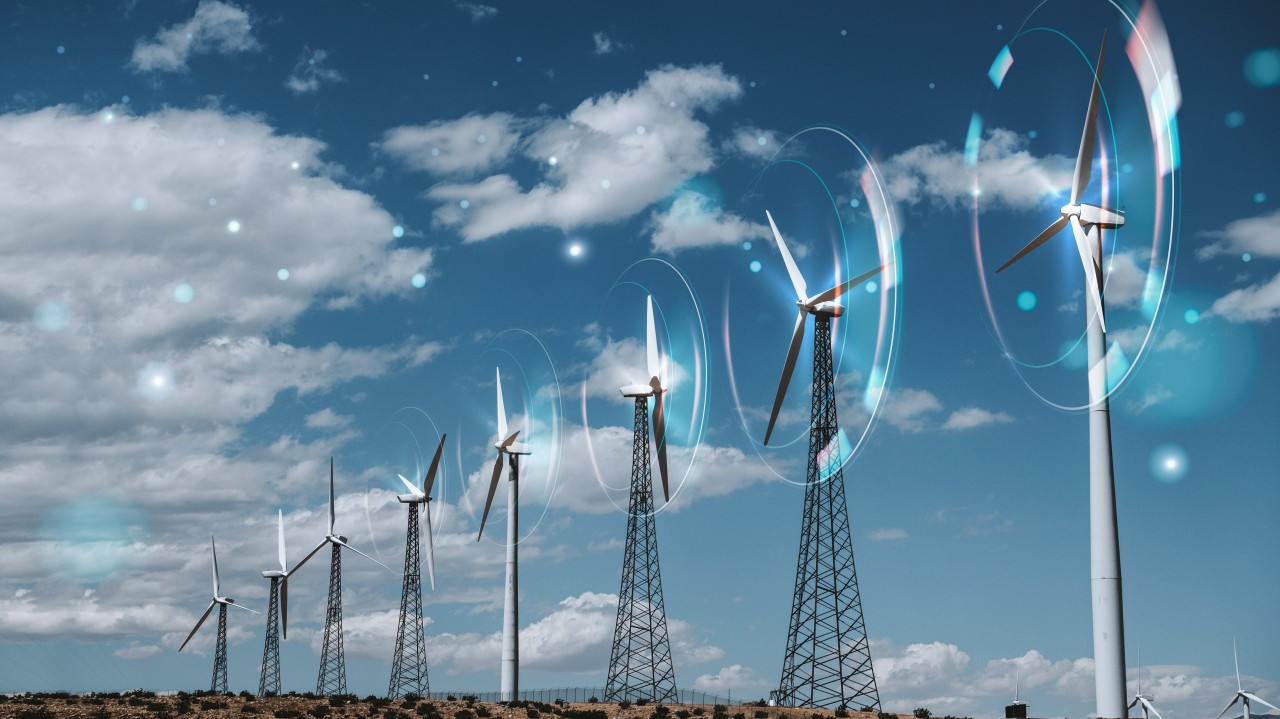
In 2024, the single biggest mergers and acquisitions deal in Romania was not a bank, a telecom, or a retail chain. It was a 629 MW renewable energy portfolio. That fact alone says a lot about where capital has been heading in Central and Eastern Europe.
Now fast forward to 2026. The deals are still happening, arguably faster than ever, but they look different. The shift in what is being bought, and by whom, tells a clear story about the next phase of the CEE energy transition, and about Romania’s place at the centre of it.
The 2024 Benchmark: A Portfolio Deal That Set the Tone
Romania’s M&A market closed 2024 at around USD 6.6 billion (roughly EUR 6.3 billion) in total deal value. The headline transaction was the sale of a 629 MW renewable energy portfolio by Evryo Group, formerly CEZ Romania, to Greece’s Public Power Corporation (PPC) for approximately USD 768 million.
That was not an isolated signal. According to EY, the energy and utilities sector saw roughly 52 percent year-on-year growth in deal volume in 2024, driven by a doubling of activity in the renewable energy sub-sector to 38 deals, up from 19 the year before. Other notable 2024 renewable transactions included Sweden-based OX2 selling a 99 MW onshore wind project to Nala Renewables, a joint venture of IFM Investors and Trafigura, for around USD 234 million, and Premier Energy acquiring the 80 MW Mihai Viteazu wind farm from Iberdrola.
A pattern stood out in the 2024 data. Strategic investors, meaning industrial players and utilities rather than pure financial funds, accounted for around 91 percent of deal volume, their largest share in six years. In other words, the buyers were mostly companies that wanted to own and operate energy assets for the long term, not just trade them. And the assets changing hands were largely operating or near-operating generation: wind farms and solar parks producing megawatt-hours today.
The 2026 Wave: From Megawatts to Flexibility and Execution Certainty
The 2026 market is still active, but the centre of gravity has moved. Three shifts are visible.
First, storage has moved from the margins to the core. In late 2025 and into 2026, a stream of battery deals has defined the market. Premier Energy acquired a ready-to-build 200 MW / 400 MWh battery system near Iasi. Aukera secured EUR 60 million in debt to build a 250 MW / 500 MWh standalone battery in Ialomita. Verbund is adding batteries to its Romanian wind assets. The question buyers are asking is no longer just how many megawatts a project generates, but how flexibly it can deliver them.
Second, the hot asset is the hybrid. Solar-plus-storage is becoming the default structure rather than the exception. In 2026, Kraftfeld Energy reached financial close on Maruntei-Vest, a 61 MWp solar project paired with a 100 MWh battery, bringing in Vertex Energy as a 49 percent equity partner with project financing from Kommunalkredit Austria. As one market analysis put it, Romania is becoming a storage-led solar market, where projects combining grid-ready generation, storage, and a credible delivery team attract stronger capital than standalone development assets.
Third, the market has become disciplined about maturity. Where 2024 buyers chased pipeline, 2026 buyers are pricing execution certainty. Legal advisers describe the Romanian renewables market as entering a third phase, after opportunity and then pipeline inflation, the new phase is discipline. A project with only a grid connection approval is no longer valued like a project that has secured permits, land rights, an environmental act, and a signed grid connection agreement. The 2026 premium goes to projects that can credibly reach commercial operation and generate predictable revenue afterward.
Who Is Actually Buying CEE Right Now
The buyer list reveals the strategy behind the wave.
Large European strategics are consolidating. ENGIE agreed to acquire a 253.1 MW wind project in Ialomita from Greenvolt Power, a deal that doubles ENGIE Romania’s renewable capacity to around 500 MW and supports its target of exceeding 1 GW of renewable and storage capacity by 2030. Crucially, that project carries a 15-year Contract for Difference for part of its capacity, giving long-term revenue visibility. This is the template: a strategic buyer acquiring a contracted, near-operational asset that slots into a regional build-out plan.
At the same time, developers are rotating assets to recycle capital. Greenvolt completed multiple Romanian sales as part of a deliberate strategy of building projects and then selling them to long-term owners, freeing capital to develop the next wave. This developer-to-strategic handoff is becoming the rhythm of the market.
And the capital is genuinely international. Across recent Romanian renewable deals, buyers and backers have come from Greece (PPC), France (ENGIE), Austria (Verbund, Kommunalkredit), Portugal (Greenvolt), Australia and global commodities (IFM and Trafigura via Nala), and beyond. EY’s data has consistently shown the United States, Austria, Germany, France, and the Netherlands among the most active sources of inbound investment. Romania is not a local story. It is a magnet for cross-border energy capital.
Why Romania Keeps Pulling the Capital In
The consistency of investor interest across two very different market phases is itself the strongest evidence that Romania’s appeal is structural, not a passing trend.
Strong natural resources. Romania has genuinely good wind and solar conditions, particularly in regions like Dobrogea and the southeast, which is why so many of the marquee wind deals cluster there. Good resource means high capacity factors, which means better project economics.
A maturing policy framework that de-risks revenue. Romania’s Contracts for Difference auctions have become a central feature, awarding long-term contracts that give projects predictable cash flows. ENGIE secured 224 MW in the second CfD auction, and the Greenvolt wind project it bought came with a 15-year CfD. Contracted revenue is exactly what strategic buyers and lenders want to see, and Romania is increasingly able to offer it.
A grid that needs flexibility, creating a storage market. The rapid renewable buildout has created congestion, curtailment, and volatile prices, which in turn create the commercial case for batteries. Romania has paired this with active support, including a Modernisation Fund-backed storage subsidy scheme, making it one of the more attractive storage markets in the region.
Liquidity and a functioning exit market. Perhaps most important for investors, Romania has demonstrated that assets can be developed, financed, and sold. The steady flow of transactions from 2024 through 2026 proves there are buyers at every stage, from development to ready-to-build to operating. A market where you can exit is a market where you can confidently enter.
Taken together, strong resources, contracted revenue through CfDs, a genuine need for storage, and a proven exit market make a credible case that Romania is not just participating in the CEE energy transition but is one of its primary destinations for capital.
Momentum Energy’s View
At Momentum Energy, we read the evolution from the 2024 portfolio mega-deal to the 2026 storage-and-hybrid wave as a sign of a maturing, not cooling, market.
A few things stand out. First, the shift toward storage and hybrid assets is the natural and healthy next step. A market that has built a lot of solar and wind eventually has to solve for when that energy is available versus when it is needed, and the move of capital toward batteries and flexibility shows Romania is solving exactly that problem. Second, the new discipline around execution certainty is a positive signal, not a negative one. Buyers paying a premium for permitted, contracted, grid-real projects is what a serious, bankable market looks like. Third, the buyer profile tells the real story. When strategics like ENGIE and PPC are consolidating contracted assets while developers rotate capital into the next pipeline, you have a functioning ecosystem with players at every point in the value chain.
The wider lesson is that the smart money question in CEE has changed. In 2024 it was which megawatts to buy. In 2026 it is which flexible, contracted, deliverable assets to own. Romania has answered both questions better than most of its neighbours, and that is why the capital keeps arriving.
For investors and developers planning their next move, the takeaway is clear. The Romanian market rewards projects that are mature, contracted, and flexibility-enabled, and it has proven, across multiple cycles, that it offers both the resources to build and the liquidity to exit.
